What is the material of Pan Ultrafiltration Membrane? Pan Ultrafiltration Membrane
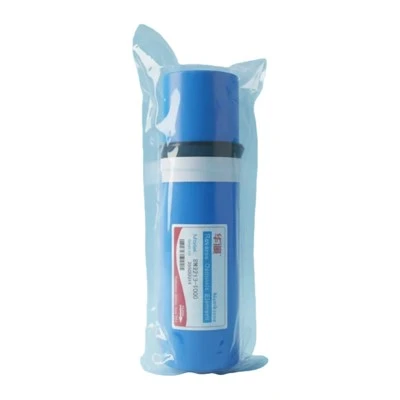
As a supplier of Pan Ultrafiltration Membranes, I often get asked about the material that makes up these remarkable products. Ultrafiltration membranes are a crucial component in various industries, including water treatment, biotechnology, and pharmaceuticals. Understanding the material of Pan Ultrafiltration Membranes is essential for customers to make informed decisions about their applications and performance.
Polyacrylonitrile (PAN) is the primary material used in Pan Ultrafiltration Membranes. PAN is a synthetic polymer known for its excellent chemical resistance, thermal stability, and mechanical strength. These properties make it an ideal choice for ultrafiltration applications, where the membrane needs to withstand harsh operating conditions and maintain long – term performance.
The chemical structure of PAN consists of a repeating unit of acrylonitrile monomers. The nitrile group (-CN) in the acrylonitrile unit gives PAN its unique properties. This polar group allows PAN to have good compatibility with water and certain organic solvents, which is beneficial for the separation process in ultrafiltration. The strong intermolecular forces between the polymer chains contribute to the high mechanical strength of the membrane.
One of the key advantages of PAN as a membrane material is its resistance to a wide range of chemicals. PAN membranes can tolerate exposure to acids, bases, and many organic solvents without significant degradation. This chemical resistance is crucial in applications where the feed solution may contain various contaminants or have extreme pH levels. For example, in industrial wastewater treatment, the membrane needs to be able to withstand the presence of heavy metals, organic compounds, and acidic or alkaline substances. PAN Ultrafiltration Membranes can operate effectively in such challenging environments, providing reliable separation performance.
Another important property of PAN is its thermal stability. PAN membranes can withstand relatively high temperatures without losing their structural integrity. This is particularly important in applications that require high – temperature sterilization or operation. In the pharmaceutical and biotechnology industries, for instance, the membranes often need to be sterilized to prevent microbial contamination. The ability of PAN membranes to tolerate high – temperature sterilization methods, such as steam sterilization, makes them suitable for these critical applications.
The mechanical strength of PAN Ultrafiltration Membranes is also a significant factor in their performance. The membranes can withstand the pressure difference across the membrane during the filtration process without breaking or deforming. This allows for high – flow rates and efficient separation. In addition, the mechanical strength ensures the longevity of the membrane, reducing the need for frequent replacements and lowering the overall cost of operation.
The manufacturing process of PAN Ultrafiltration Membranes also plays a crucial role in determining their performance. The membranes are typically prepared using phase – inversion techniques. In this process, a polymer solution is cast onto a support substrate, and then the solvent is removed, causing the polymer to precipitate and form a porous membrane structure. The pore size and distribution of the membrane can be precisely controlled during the manufacturing process, which is essential for achieving the desired separation properties.
The pore size of PAN Ultrafiltration Membranes usually ranges from 1 to 100 nanometers. This allows the membranes to separate particles, macromolecules, and colloids based on their size. For example, in water treatment applications, the membranes can remove suspended solids, bacteria, and viruses from the water, while allowing small molecules such as water and dissolved salts to pass through. In the biotechnology industry, PAN Ultrafiltration Membranes can be used to separate proteins, nucleic acids, and other biomolecules according to their molecular weight.
In addition to the base PAN material, Pan Ultrafiltration Membranes may also be modified to enhance their performance. Surface modification techniques can be used to improve the hydrophilicity of the membrane, which reduces fouling and increases the permeation flux. For example, by grafting hydrophilic polymers onto the surface of the membrane, the interaction between the membrane and the feed solution can be improved, resulting in better separation efficiency.
The applications of Pan Ultrafiltration Membranes are diverse. In the water treatment industry, they are used for drinking water purification, wastewater treatment, and seawater desalination pre – treatment. In the food and beverage industry, the membranes are employed for the clarification and concentration of fruit juices, dairy products, and beer. In the pharmaceutical and biotechnology industries, they play a crucial role in the purification of drugs, vaccines, and biological products.
When choosing a supplier of Pan Ultrafiltration Membranes, customers should consider several factors. The quality of the membrane material is of utmost importance. A reliable supplier should ensure that the PAN used in the membranes meets high – quality standards, with consistent chemical and physical properties. The manufacturing process of the membranes also needs to be carefully controlled to ensure uniform pore size distribution and high performance.
In addition, the supplier should provide comprehensive technical support and after – sales service. This includes assisting customers in selecting the appropriate membrane for their specific applications, providing installation and operation guidance, and offering maintenance and repair services.
As a supplier of Pan Ultrafiltration Membranes, I am committed to providing high – quality products and excellent customer service. Our membranes are manufactured using state – of – the – art technology and strict quality control measures to ensure superior performance and reliability. We have a team of experienced technical experts who can offer professional advice and support to our customers.
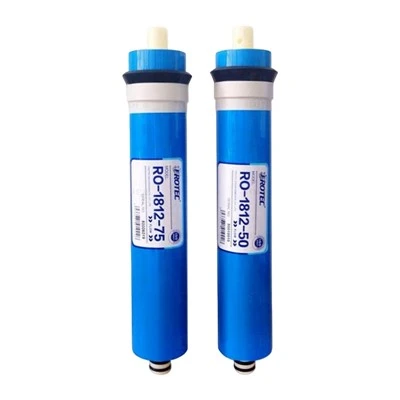
If you are interested in learning more about Pan Ultrafiltration Membranes or are considering purchasing them for your applications, I encourage you to contact us. We would be more than happy to discuss your specific needs and provide you with detailed product information and pricing. Our goal is to help you find the best ultrafiltration solution for your business and ensure its success.
Compact EDI Modules References
- Cheryan, M. Ultrafiltration and Microfiltration Handbook. Technomic Publishing Company, Inc., 1998.
- Baker, R. W. Membrane Technology and Applications. John Wiley & Sons, 2004.
- Strathmann, H. Synthetic Membranes: Science, Engineering and Applications. Springer, 1994.
Fujian Huamo Technology Co., Ltd.
Fujian Huamo Technology Co., Ltd. is one of the most professional pan ultrafiltration membrane manufacturers and suppliers in China, featured by quality products and good service. Please rest assured to wholesale the best pan ultrafiltration membrane made in China here and get price list from our factory. Contact us for custom service and OEM service.
Address: No.6 Hengtong Rd, Shanmei Village, Xiamei Town, Nanan City, Fujian Province, China
E-mail: info@huaromembrane.com
WebSite: https://www.hmromembrane.com/
