If you’re here, chances are you’re either deep in the weeds of a manufacturing upgrade, trying to sort out waste management costs, or just Googling “how the hell do evaporators even work, and how much are they gonna cost me?” Don’t worry — I’ve been in this game for 8 years, selling industrial evaporators, so I know the questions that keep you up at night. Evaporator
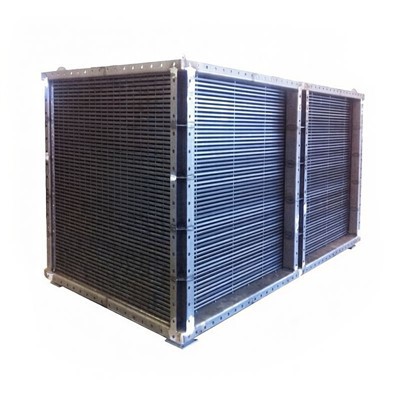
First, let’s get one thing straight: there’s no one-size-fits-all “evaporator cost.” I wish there was, right? I could just toss you a price tag and go grab a coffee. But no — these things are custom-built for your exact setup. The cost of an evaporator isn’t just about the machine itself; it’s a mix of the juice you’re processing, how much space you have, energy costs where you’re located, and even local regulations. Let me break this down like I would if you sat at my desk on a Tuesday afternoon.
First, Let’s Talk About What You’re Actually Processing
I’ve had customers call me saying “we need an evaporator” and their only info is “we handle 10,000 gallons a day.” That’s not enough. The feed liquid — what you’re evaporating — changes everything. For example, if you’re processing fruit juice concentrate (that’s the stuff in tiny frozen cans), the liquid is relatively clean, low in solids, and doesn’t get sticky when heated. For a client like that, we can use a falling film evaporator, which is more energy-efficient and cheaper upfront. But if you’re dealing with something like potato processing wastewater, which has high suspended solids and can foul (gunk up) the heat exchangers fast? You need a different type — maybe a forced circulation evaporator. Those have larger tubes and move the liquid faster to keep solids from sticking, so they cost more.
I had a pasta company last year tell me they got a quote from a competitor for a falling film evaporator for their pasta rinse water. They ended up coming to me because that competitor’s machine broke down after 6 months — the starch in the wastewater gummed up every tube. They had to replace the whole heat exchanger for $15k just to get it running again. Turns out, that “cheaper” evaporator was the wrong type for their process. So yeah, the feed is everything. That’s why I always ask for a sample if someone reaches out — I don’t want to sell you something that’ll leave you frustrated.
The Core Machine: Base Cost Ranges (Real Numbers, No Fluff)
Once we know what you’re processing, we can get into actual cost ranges. Let’s keep this general but real, no hypotheticals. Small-scale evaporators (for stuff like small craft distilleries, or labs testing processes) start around $15,000 to $50,000. These handle less than 500 gallons per day, are skid-mounted (meaning they come pre-assembled on a frame so you just plug them in), and are pretty basic. They’re great for testing a process or a small operation.
Medium-scale is where most of our clients are. That’s 500 to 10,000 gallons per day, used for food and beverage, pharma, or even small chemical processing. For these, the base cost is between $50,000 and $250,000. The variation here comes from the type: falling film is on the lower end, forced circulation is mid-range, and if you need something like a thermocompression evaporator (which uses the vapor from evaporation to reuse heat, cutting energy costs), that’ll push you closer to the $250k mark.
Large-scale evaporators — think 10,000+ gallons a day, for big food processing plants, municipal wastewater, or chemical manufacturing — start around $250,000 and go up to $1.5 million or more. Last year I worked with a tomato processing plant in California that needed a unit handling 50,000 gallons of tomato wastewater a day. Their evaporator ended up being around $900k, but they saved over $120k a year on wastewater disposal, so it paid for itself in 7 years.
Hidden Costs No One Tells You About (And How To Avoid Surprises)
Okay, so you have a base number, but here’s the thing: 70% of the “sticker shock” I get from clients is not the machine itself. It’s the hidden stuff. Let’s go through these, because you need to plan for them.
First, installation. Evaporators aren’t like a fridge you plug in. You need to run steam lines, water lines, electrical, sometimes even set up a concrete pad for the skid. For a small unit, installation might be $5k to $10k. For a large, custom unit? We’ve had installation costs hit $75k just for the piping and electrical. I always work with a local installer that I trust, so I can give clients a rough estimate upfront — no hidden fees when the crew shows up.
Then there’s energy and operation. This is a big one. A lot of clients only look at the upfront cost, but the monthly bills matter. For example, a standard evaporator might use 0.5 kWh per gallon processed, but a thermocompression unit uses 0.1 kWh per gallon. Over a year, that’s tens of thousands of dollars in difference. I did a quick check for a craft brewery last year: they were spending $18,000 a month on wastewater disposal. The evaporator we sold them used $2,000 a month in energy, so they saved $16k a month. They forgot to factor in the disposal cost when they were comparing, and almost went with a cheaper unit that would’ve cost them more long-term.
Maintenance is another hidden cost. If you have a unit that processes high-solids liquids, you’ll need to clean the heat exchangers regularly — either with chemical cleaning (which costs a few thousand each time) or replacing parts. Cheap evaporators often use thinner tubes that corrode faster, so you’re replacing tubes every 2 years instead of every 5. That adds up. We build our units with 316 stainless steel (or higher, if needed) and design for easy access to parts, so maintenance is cheaper and less frequent.
Regulatory compliance? Yeah, that’s a thing too. Especially in pharma, food and beverage, or wastewater treatment. Your evaporator has to meet FDA standards for food contact, or EPA standards for discharge limits. If you buy a unit that doesn’t meet those, you could get fined, or have to retrofit it later, which costs way more upfront. I’m familiar with regulations across North America (and most regions, honestly), so we design every unit to comply before it leaves our shop — no last-minute surprises.
What Impacts The Cost The Most?
Let’s narrow down the biggest cost drivers, because that’s what you actually care about.
-
Capacity: This is the obvious one. More gallons per day = higher cost, but not just linearly. A unit that handles 10,000 gallons a day isn’t twice as expensive as a 5,000-gallon unit. The larger units have more efficient designs, so the cost per gallon goes down as you scale.
-
Material of construction: If you’re processing acidic liquids (like citrus juice or battery waste), you can’t use regular carbon steel — it’ll corrode. You need stainless steel, maybe even Hastelloy for super corrosive stuff. That adds 20-50% to the base cost. For our tomato processing client, they had to use acid-resistant stainless steel, which bumped their unit up by $120k, but it’s lasted longer than standard steel would’ve, so it was worth it.
-
Heat recovery systems: As I mentioned earlier, these cut energy costs, but add to the upfront price. A basic evaporator has no heat recovery, so it’s cheaper. A unit with a vapor recompression system has great heat recovery, so it’s more expensive but saves you thousands annually.
-
Automation: Do you want a unit that requires someone to monitor it 24/7, or one that’s fully automated with sensors and controls? Basic controls are standard, but adding PLC systems (programmable logic controllers) that let you run the unit remotely, adjust settings on your phone, and get alerts if something’s wrong? That adds $5k to $20k, but it saves you labor costs — no one has to be on site to check it every hour.
How To Get An Accurate Quote (Without Wasting Time)
I get it — you don’t want to jump through hoops just to get a price. Here’s what I need from you to give you a solid, no-bullshit quote:
- What type of feed liquid are you processing (fruit juice, wastewater, chemical, etc.)?
- Average daily flow rate (how many gallons/ liters do you need to process)?
- Any specific requirements (FDA compliant, low energy, etc.)?
- Are there space constraints where you’d put it?
That’s it. I don’t need your whole process history or your company’s annual revenue. Last week, a distillery sent me a 3-page document about their grain bill when I just needed to know they’re processing spent mash and how much they make a day. I told him to just text me the basics, and I had a quote back in 2 days.
The Bottom Line For You
An evaporator isn’t a purchase — it’s an investment. The cheapest unit upfront might cost you way more in energy, maintenance, or repairs down the line. I’ve seen clients go for a $50k evaporator that ended up costing them $100k in extra disposal fees and repairs in 2 years, while a client who paid $80k for our unit saved $30k a year.
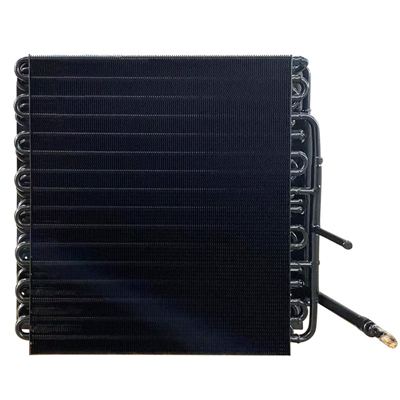
Finned Tube If you’re tired of overpaying for wastewater disposal, or your current evaporator is falling apart, hit me up. No sales pitch, no pushy calls — just give me the basics, and I’ll tell you exactly what you need, how much it’ll cost, and how it’ll save you money. We build units that last 15+ years, and we stand behind every single one. Don’t waste another penny on a machine that doesn’t fit your process. Let’s chat, and get you a quote that actually makes sense.
References
- Smith, J. et al. Industrial Evaporator Technology and Cost Optimization. Journal of Process Engineering, 2021.
- U.S. Environmental Protection Agency. Cost Analysis of Industrial Wastewater Evaporation Systems, 2022.
- Food and Agriculture Organization. Evaporator Design for Food and Beverage Processing, 2020.
- Global Market Insights. Industrial Evaporator Market Size & Share Report, 2023-2030.
Xiangshui Derkang Refrigeration Equipment Co., Ltd.
As one of the most professional evaporator manufacturers in China, we’re featured by quality products and low price. If you’re going to buy discount evaporator, welcome to get quotation from our factory. We also accept customized orders.
Address: No. 2, Xiaojian Town Entrepreneurship Park, Xiangshui County
E-mail: 505745223@qq.com
WebSite: https://www.xsderk.com/
