Hey everyone, if you’ve ever been deep in the weeds of an electrical project—whether you’re a sparky wrapping up a commercial build, a facilities guy troubleshooting a residential complex, or maybe even just someone who’s ever stared at a weird metal box bolted to a utility pole and wondered “what the heck is that?”—this post’s for you. As a cable branch box supplier, I get asked this question nonstop: “how much does a cable branch box actually weigh?” And yeah, it’s not a one-and-done answer, which is why I’m breaking it down like I’m chatting with a buddy who’s knee-deep in their next job. Cable Branch Box
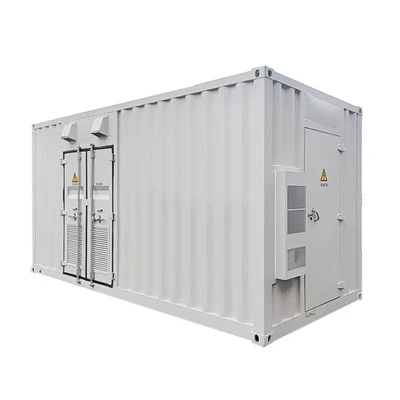
First off, let’s get real—people ask this for specific reasons. If you’re hoisting a box up a 30-foot utility pole, you need to know if your cherry picker has enough lift. If you’re carrying it down a tight basement hallway, you don’t want it to be so heavy you throw out your back. If you’re mounting it to a flimsy wall (yes, we’ve all seen those sketchy DIY setups), weight matters for structural support. So forget the generic line you might’ve seen somewhere—let’s talk actual, real-world numbers that apply to the boxes we supply.
Let’s start with the main factors that change the weight, because that’s where most people go wrong. It’s not just “it’s a metal box.” The two biggest ones? Material it’s made of, and size/number of ports. Then there’s extras like insulation or coating, but we’ll get to that.
First up, materials. This is the big one. Most cable branch boxes fall into three main metal categories: galvanized steel, aluminum, and polycarbonate (wait, that’s plastic, but it’s super common too, so we’ll include it). Let’s break each down with actual weights from stock models we keep in our warehouse.
Galvanized steel is the workhorse—super tough, holds up to brutal weather, perfect for outdoor use in industrial areas or places with salt air (coastal spots, I’m looking at you). A small steel box, like our basic 4-port unit (great for small residential streets or low-traffic neighborhoods), comes in at around 22 pounds. Mid-sized, 8-port steel boxes—used for apartment buildings or small commercial strips—are closer to 45 pounds. And if you need a big one, say 12 ports for a mini substation or a retail park? That’ll hit about 75 pounds. Why so much? Steel’s dense, man—you can’t beat it for durability, though it’s heavier.
Next, aluminum. It’s lighter, still tough, and rust doesn’t stand a chance (no galvanization needed, which is a plus). Our small 4-port aluminum box is only 12 pounds—way easier to haul solo. Mid-sized 8-port aluminum? 28 pounds. Big 12-port? 50 pounds. That’s a huge difference if you’re doing a solo install or working on a roof where every pound counts. We sell a ton of aluminum boxes in urban areas where weight limits on rooftops or tight sidewalks are a pain point.
Then there’s polycarbonate, the plastic option. It’s not as tough as metal, but it’s way lighter and perfect for indoor use or dry, mild outdoor spots. Our small 4-port poly box is just 6 pounds—you can carry that in one hand. Mid-sized 8-port? 15 pounds. Big 12-port? 30 pounds. I know what you’re thinking—“plastic? Will that hold up?” For places that don’t get hit with full-on construction debris or extreme temperature swings, yeah, it’s great. We use a UV-stabilized polycarbonate so it doesn’t get brittle in sunlight, so it’s not flimsy junk.
Wait, but what about those extras? If a customer asks for a weather seal kit or extra cable glands, that adds a pound or two, max. If we powder-coat a steel box (we do custom colors sometimes for projects that need to match a building’s exterior), that’s another 0.5 pounds, nothing major. The big variance is always size and material.
Let’s put this into context with real jobs I’ve seen. Last month, a guy from a small electrical contracting company hit us up. He needed 10 4-port boxes for a new housing development in Florida—they’re all aluminum, so 12 pounds each. His crew was doing rooftop installs, and their lift limits meant they couldn’t go over 15 pounds per box. Perfect, that’s exactly what we had. Then a commercial client from Chicago ordered five 10-port steel boxes for a parking lot power setup—70 pounds each, which worked because they were using a boom lift to hoist them up to 10-foot poles. Another time, a school in Texas wanted indoor polycarbonate boxes for their new IT closet—6 pounds each, super easy to screw into the wall without two guys hauling a heavy steel thing.
Here’s a common mistake I see people make: they Google “cable branch box weight” and get a random number from a generic site that doesn’t specify size or material. That’s useless. If you’re googling, make sure you note what you need it for. If you’re lifting it, stick to aluminum or poly if weight’s a concern. If you need it to survive hurricane wind or road salt, steel’s worth the extra poundage.
Wait, what about non-metallic boxes beyond polycarbonate? Yeah, fiberglass is another one, but we don’t stock a lot of that because it’s more expensive and mostly used in super specific industrial setups. The three I mentioned are the main ones most contractors use.
Also, don’t forget—these are empty weights. Once you add cables, the total goes up, obviously. But when you’re calculating lift or transport, empty weight is what matters for equipment limits. No one’s going to lift a box with cables hanging out, that’s just dangerous.
Let me bust another myth: some people think all steel boxes are the same weight, but they’re not. Thicker steel (for higher voltage, like 15kV vs 5kV) adds weight. A high-voltage steel box can be 10-15 pounds heavier than a low-voltage one of the same size. That’s a big deal. If you’re running power for a streetlight, you don’t need a thick steel box, but if you’re running power for a hospital wing, yeah, you want that extra thickness to handle more load.
I’ve been in this business for 8 years, and the question “how much does this weigh” has gotten way more specific lately. Contractors are way more focused on logistics—time is money, right? If a box is 10 pounds lighter, that’s one less guy needing to help carry it, one less trip in the truck. That adds up over a whole project.
So here’s the takeaway next time you’re shopping: figure out three things first. 1) What environment is this going in (outdoor salt air? Indoor closet? Coastline?). 2) How many ports do you need (size matters). 3) Are weight limits a factor (lift, rooftop, tight spaces)? Then pick your material, and you’ll have a pretty good idea of the weight. If you’re still confused, hit us up—we can send over exact specs for any model, no B.S.
Wait, let’s make this concrete with a quick cheat sheet, no fancy terms:
- Small (4 ports): Steel = 22lbs, Aluminum = 12lbs, Poly = 6lbs
- Medium (8 ports): Steel = 45lbs, Aluminum = 28lbs, Poly = 15lbs
- Large (12+ ports): Steel = 75lbs+, Aluminum = 50lbs+, Poly = 30lbs+
That’s exactly what we ship, every day. No weird rounding, no made-up numbers. I wish every “how much does it weigh” question had a straightforward answer, but until someone invents a one-size-fits-all cable box, you’ve got to work with the variables.
Another thing: if you’re ordering custom boxes, like for a project that needs a specific number of ports or a custom coating, just ask. We can adjust the thickness or add features, and we’ll tell you exactly how much that adds to the weight before you order. No hidden fees, no surprise “oh that’s 10 lbs more” after you’ve already scheduled your lift.
I get it, weight isn’t the sexiest part of electrical gear. You care about reliability, compatibility, fitting your cables. But knowing the weight saves you from a million headaches—like renting a lift that’s too weak, or having two guys struggle to carry a box up stairs when you could’ve grabbed a lighter aluminum one.
If you’re in the market for cable branch boxes, whether you need a single unit for a small repair or 50 for a big development, we’ve got all the sizes and materials I talked about. Just reach out, tell me what you’re working on, and I’ll hook you up with the right box, plus the exact weight so you can plan your install perfectly. No salesy garbage, just straight answers.
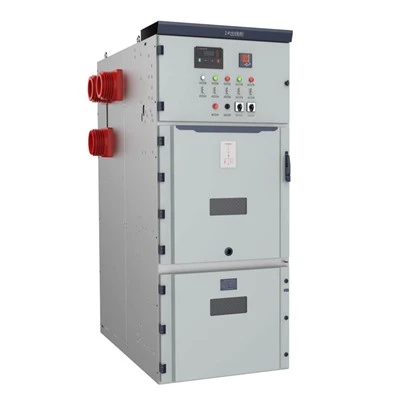
Now go get that project done, and if you’ve got any questions about cable branch boxes (weight, specs, whatever), hit us up to chat.
Transformer References
- Electrical Construction Maintenance. “Selecting the Right Cable Branch Box for Outdoor Applications.” 2022.
- National Electrical Manufacturers Association (NEMA). “Standard for Enclosures for Electrical Equipment.” 2021.
- Underwriters Laboratories (UL). “Standard for Enclosures for Electrical Equipment.” 2020.
Hebei Biot Electric Co., Ltd.
As one of the most professional cable branch box manufacturers and suppliers in China, our products have good reputation in the market. Welcome to wholesale advanced cable branch box in stock here and get quotation from our factory. All customized products are with high quality and competitive price.
Address: Xieshang Village, Weicun Town, Qingyuan District, Baoding City, Hebei Province
E-mail: biotelectric-ht@outlook.com
WebSite: https://www.biotelectric.com/
