Hey there! I’m a supplier of thiazoles, and today I wanna chat about the pharmacodynamics of thiazole-based drugs. It’s a super interesting topic, and I hope you’ll find it as cool as I do. Thiazoles
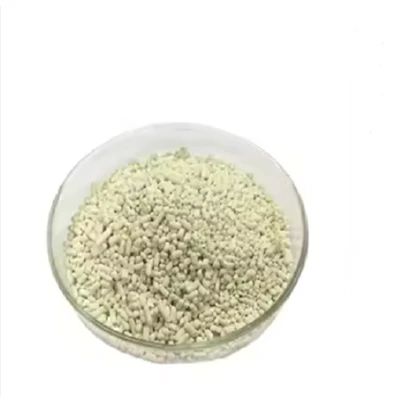
First off, let’s get a basic understanding of what thiazoles are. Thiazoles are a class of heterocyclic compounds that contain a five – membered ring with a sulfur and a nitrogen atom. These little guys have been around in the world of chemistry and pharmacology for quite a while, and they’ve proven to be real powerhouses when it comes to making drugs.
How Thiazole – Based Drugs Work
Thiazole – based drugs can work in a bunch of different ways. One of the main ways is by interacting with specific receptors in our bodies. Our bodies are full of receptors, kind of like locks, and drugs are like keys that fit into these locks. Thiazole – based drugs can bind to these receptors and either activate them or block them, depending on what the drug is supposed to do.
For example, some thiazole – based drugs are used as anti – inflammatory agents. They work by binding to receptors that are involved in the inflammation process. When the drug binds to these receptors, it blocks the signals that would normally cause inflammation. This can help reduce swelling, pain, and redness in the body.
Another way thiazole – based drugs work is by inhibiting enzymes. Enzymes are proteins in our bodies that speed up chemical reactions. Some diseases are caused by enzymes working too much or in the wrong way. Thiazole – based drugs can fit into the active site of these enzymes and stop them from working. For instance, there are thiazole – based drugs that inhibit the enzyme that breaks down insulin. By doing this, they help keep insulin levels in the body stable, which is really important for people with diabetes.
Antimicrobial Properties
Thiazole – based drugs are also known for their antimicrobial properties. They can fight against bacteria, fungi, and even some viruses. The way they do this is by interfering with the cell walls or membranes of these microorganisms.
Bacteria have a cell wall that protects them. Some thiazole – based drugs can break down this cell wall, making the bacteria vulnerable. Once the cell wall is damaged, the bacteria can’t survive. Fungi have a different kind of cell structure, but thiazole – based drugs can also target their cell membranes. By disrupting the membrane, the drug can stop the fungi from growing and reproducing.
In the case of viruses, thiazole – based drugs can interfere with the virus’s ability to enter our cells or replicate once it’s inside. This can prevent the virus from spreading and causing more damage in our bodies.
Anticancer Effects
Cancer is a really tough disease, but thiazole – based drugs are showing a lot of promise in the fight against it. These drugs can work in several ways to target cancer cells.
One way is by inducing apoptosis, which is basically programmed cell death. Cancer cells are cells that grow and divide out of control. Thiazole – based drugs can send signals to these cancer cells that tell them to self – destruct. This helps get rid of the cancerous cells without harming the normal cells too much.
Another way is by inhibiting angiogenesis. Angiogenesis is the process of forming new blood vessels. Cancer cells need a good blood supply to grow and spread. Thiazole – based drugs can stop the formation of these new blood vessels, cutting off the cancer cells’ supply of nutrients and oxygen. This can slow down the growth of the tumor and prevent it from spreading to other parts of the body.
Neurological Effects
Thiazole – based drugs also have some interesting effects on the nervous system. Some of these drugs can act as neurotransmitter modulators. Neurotransmitters are chemicals in our brains that help send signals between nerve cells.
For example, there are thiazole – based drugs that can increase the levels of certain neurotransmitters like dopamine. Dopamine is involved in things like mood, motivation, and movement. By increasing dopamine levels, these drugs can help treat conditions like Parkinson’s disease, where there’s a lack of dopamine in the brain.
Other thiazole – based drugs can act as sedatives or anxiolytics. They work by binding to receptors in the brain that are involved in the regulation of anxiety and sleep. By binding to these receptors, the drugs can calm the nervous system, making people feel more relaxed and helping them sleep better.
Cardiac Effects
In the heart, thiazole – based drugs can have several beneficial effects. Some of these drugs can act as calcium channel blockers. Calcium channels are important for the contraction of heart muscle cells. By blocking these channels, thiazole – based drugs can reduce the force of the heart’s contractions. This can be helpful for people with high blood pressure or certain heart rhythm problems.
They can also have an effect on the blood vessels. Thiazole – based drugs can cause the blood vessels to relax, which helps lower blood pressure. This is because when the blood vessels are relaxed, the blood can flow more easily through them, reducing the pressure on the vessel walls.
Factors Affecting Pharmacodynamics
There are a few factors that can affect how thiazole – based drugs work. One of the main factors is the dose. If you take too little of a drug, it might not have the desired effect. But if you take too much, it can cause side effects. The right dose depends on things like the person’s age, weight, and the severity of the condition.
Another factor is the route of administration. You can take drugs in different ways, like orally (by mouth), intravenously (through a vein), or topically (on the skin). Each route of administration can affect how quickly the drug gets into the body and how well it works. For example, drugs taken intravenously usually work faster than those taken orally because they go straight into the bloodstream.
The body’s metabolism also plays a role. Our bodies have enzymes that break down drugs. If a person’s metabolism is really fast, the drug might be broken down too quickly, and it won’t have enough time to work. On the other hand, if the metabolism is slow, the drug might stay in the body for too long, increasing the risk of side effects.
Why Choose Our Thiazoles
As a thiazole supplier, I can tell you that our thiazoles are of the highest quality. We use state – of – the – art manufacturing processes to ensure that our products are pure and consistent. When you use our thiazoles to develop drugs, you can be confident that you’re getting a reliable starting material.
Our thiazoles are also cost – effective. We understand that in the pharmaceutical industry, cost is an important factor. That’s why we’ve worked hard to keep our prices competitive without sacrificing quality.

We also have a great customer service team. If you have any questions about our thiazoles, or if you need help with anything related to your drug development project, we’re here to assist you. We can provide you with technical support, product samples, and all the information you need to make an informed decision.
Thiazoles If you’re interested in purchasing thiazoles for your drug development projects, I encourage you to get in touch with us. We’d love to have a chat with you about your needs and see how we can help. Whether you’re a small research lab or a large pharmaceutical company, we’re ready to work with you.
References
- Goodman and Gilman’s The Pharmacological Basis of Therapeutics.
- Principles of Pharmacology: The Pathophysiologic Basis of Drug Therapy.
- Journal of Medicinal Chemistry articles on thiazole – based drugs.
Heze Great Bridge Chemical Co., Ltd.
With abundant experience, we are one of the most professional thiazoles manufacturers and suppliers in China. We warmly welcome you to buy high quality thiazoles in stock here and get pricelist from our factory. Good service and reasonable price are available.
Address: No.1679 Renmin Road,Heze City,Shandong,China
E-mail: export@greatbridge-chem.com
WebSite: https://www.greatbridgechem.com/
