If you’ve ever stood on a taut rock climbing rope, pulled a towing strap over rough terrain, or secured a ton of construction lumber to a flatbed, you’ve relied on dense webbing—yet few outside our industry stop to think about how that critical material makes its way to manufacturers and end-users. As a third-generation dense webbing supplier, I’ve spent the past 22 years troubleshooting supply chain gaps, refining sourcing practices, and partnering with clients from small outdoor gear startups to large construction firms who’ve struggled to find consistent, high-quality bulk webbing. The question I get from buyers most often isn’t “what is dense webbing”—it’s “how do I source dense webbing in bulk without compromising strength, lead times, or cost?” Dense Webbing
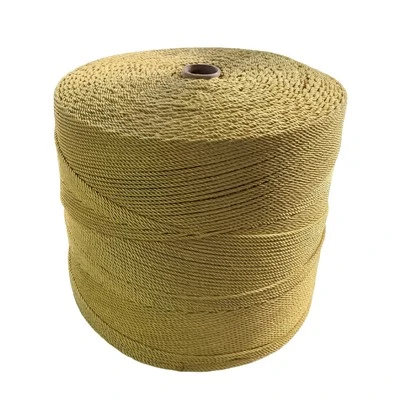
This isn’t a blog for casual hobbyists buying a single roll of webbing for a DIY project. If you’re a decal manufacturer, a marine equipment producer, a military gear contractor, or any business that needs thousands of linear feet of webbing every month, sourcing bulk dense webbing requires attention to material science, supplier transparency, and logistics that casual buyers never have to consider. Let’s break down the process step by step, rooted in the lessons I’ve learned from years on the factory floor and with client conversations.
First, you have to know exactly what “dense webbing” means for your application, not just the industry buzzword. Dense webbing isn’t just any thick, woven strap—it’s a tightly woven fabric (usually polyester, nylon, or polypropylene, depending on use) with a tight weave density that minimizes stretch, resists fraying, and maintains structural integrity under high load. The weave density is measured by the number of threads per square inch (TPI); for bulk industrial or heavy-use applications, that number is typically 100+ TPI, compared to lightweight webbing which often clocks in at 60 TPI or lower. A common mistake new bulk buyers make is assuming any “1-inch polyester webbing” is dense enough for their needs. A 1-inch, 5,000-pound tensile strength webbing might be lightweight for a recreational backpack, not dense enough for a tower guy line or a heavy-duty lifting strap.
Before you start reaching out to suppliers, define your non-negotiables: what’s the minimum tensile strength you need? Do you require UV resistance for outdoor use, mildew resistance for marine, or flame resistance for industrial settings? What roll width works for your production line—1 inch, 2 inches, 4 inches, or a custom width? What’s your monthly volume: 1,000 linear feet, 10,000, or 100,000? Dense webbing sourcing works best when you narrow these parameters first; suppliers can’t give you an accurate quote or production timeline if you ask for “whatever dense webbing you have lying around.”
The first stop for most bulk buyers is online marketplaces like Alibaba, Amazon Business, or Thomasnet. While these platforms are a starting point, they have a big drawback: many suppliers listed there are middlemen, not actual webbing manufacturers. A middleman might buy 5,000 rolls of dense webbing from a small factory in Pakistan, mark up the price by 30%, and sell it to you without disclosing the original supplier, leading to supply chain delays if that factory runs short. From personal experience, a client of mine who runs a utility pole equipment business tried to source bulk webbing from a marketplace middleman in 2022; when their order arrived, the webbing had a lower tensile strength than listed, and when they tried to reorder, the middleman couldn’t confirm when their supplier would produce more, leaving them short on orders for three weeks.
Instead, prioritize sourcing directly from dense webbing manufacturers. How do you find legitimate ones? Look for suppliers that specialize exclusively in woven textile materials for industrial or outdoor use, not general fabric suppliers. A simple check: ask potential suppliers if they own their own weaving looms. If a supplier says they “partner with factories to produce webbing,” follow up with: “can you share a copy of the factory’s ISO certification or tensile strength test reports?” Legitimate manufacturers will have these documents on hand, while middlemen often can’t produce them. Another trick: check for local manufacturing associations. For example, in the U.S., the Industrial Fabrics Association International (IFAI) maintains a directory of member textile manufacturers that produce dense webbing, which I’ve used to vet new partners for our own business. Sourcing direct cuts out markup, reduces lead times, and lets you build a relationship with the people who actually make the product you’re buying—something that’s invaluable when you need a rush order or a custom blend.
Once you’ve identified potential manufacturers, the next step is verifying quality control, a make-or-break factor for bulk webbing. Dense webbing’s strength only stays consistent if the manufacturer follows strict quality checks at every step: raw material sourcing, weaving, finishing, and testing. Raw materials matter most here. For example, cheap polyester webbing might use reclaimed plastic pellets instead of virgin resin, which makes it stretch more and degrade faster in sunlight. Reputable manufacturers will use virgin raw materials for dense webbing, and will often test each batch of raw material before it goes on the loom. Weaving quality is equally important: a tight, consistent weave means the webbing won’t snap at weak points. I’ve seen webbing from factories that skip quality checks where a single loose thread or uneven weave runs through a 5,000-foot roll, making the entire roll unusable for heavy load applications.
The best way to verify quality is to ask for sample testing. Most suppliers will send a free 12-inch sample cut from a production roll; ask your team to send it to a third-party testing lab (like Intertek, a global testing and certification company) for tensile strength and elongation testing. This ensures the webbing meets the standards you need, not just what the supplier claims. For military or construction applications, you might also need compliance with specific standards (like MIL-W-17337 for military webbing or ASTM F2191 for climbing webbing); a legitimate manufacturer will already have these certifications, so don’t hesitate to ask for proof.
After quality, logistics and lead times are the next big consideration. Bulk dense webbing is a heavy, bulky product—an order of 50,000 linear feet of 4-inch webbing can weigh over 1,000 pounds, so shipping costs and production lead times vary widely based on where the manufacturer is located. If you’re a small business in the U.S., sourcing from a domestic manufacturer often costs 10-15% more than sourcing from an overseas factory, but lead times are 2-3 weeks instead of 8-12 weeks, and you can visit the factory to inspect production if needed. During the 2020 supply chain crunch, many of our clients who sourced from overseas faced 16-week delays, while our domestic clients got their orders in 3 weeks and avoided stockouts. That said, if you’re a large business with consistent, very high volume (100,000+ linear feet a month), overseas factories can offer more competitive pricing, as long as you account for shipping and potential customs delays.
Another logistics tip: ask about roll packaging. Dense webbing rolls that are stored improperly (exposed to direct sunlight, tightly wound for months without rest) can develop creases that weaken the weave over time. Reputable manufacturers will package bulk rolls in UV-resistant plastic, store them in climate-controlled warehouses, and offer “roll conditioning” services where they unwind and rewind rolls before shipping to eliminate creases. A client of mine who runs a boat tie-down business once received a bulk order of webbing that had been stored in a dusty overseas warehouse; after three months, 20% of the rolls developed frayed edges from improper packaging, costing them $12,000 in replacements. Don’t overlook this detail—it’s a small one that saves you big money long-term.
Customization is another factor that comes up for many bulk buyers. If you need webbing with a custom width, a specific color for brand recognition, or a treated finish (like water repellent or flame retardant), many manufacturers can accommodate these requests, but only if you plan ahead. Custom webbing requires a loom setup change, which usually adds 1-2 weeks to lead times, so don’t wait until your current stock is exhausted to ask for custom work. Also, make sure to ask for a custom sample before placing a large order; weaving even a small test roll lets you check that the color matches your brand and the finish performs as expected.
Finally, building a long-term relationship with your dense webbing supplier is one of the most underrated parts of bulk sourcing. When you have a consistent order volume and a track record of on-time payments, suppliers will prioritize your orders during rush times, offer better pricing for annual contracts, and work with you to adjust orders if your production needs change. I’ve seen clients switch suppliers multiple times trying to save a few cents per linear foot, only to end up with inconsistent quality and longer lead times, while clients who’ve worked with our company for 5+ years get priority access to raw materials during shortages and custom discounts that make their overall costs lower.
If you’re ready to source dense webbing in bulk, start by outlining your exact requirements: tensile strength, width, volume, and any special finishes or certifications. Skip the middlemen and reach out directly to dense webbing manufacturers that specialize in your industry. Request quality test samples, verify packaging and lead times, and be open to discussing a long-term contract if your needs are consistent.
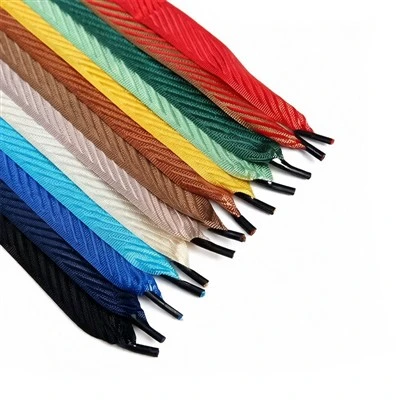
To learn more about how we can support your bulk dense webbing needs, connect with our team today to discuss your project details.
Handle Buckles References
Industrial Fabrics Association International. (2023). Industrial Webbing: Specifications, Testing, and Sourcing Guidelines.
Intertek. (2022). Tensile Strength Testing for Woven Textile Materials.
Military Specification MIL-W-17337. (2021). Webbing, Textile, Nylon 6,6, General Purpose.
ASTM International. (2020). Standard Specification for Webbing Used in Rock Climbing and Mountaineering Equipment (F2191).
Tengzhou Fujin Plastic Products Co., Ltd.
As one of the most professional dense webbing manufacturers and suppliers in China, we also support customized service. With abundant experience, we warmly welcome you to buy bulk dense webbing made in China here and get pricelist from our factory. For price consultation, contact us.
Address: Binhu Town, Tengzhou City, Shandong Province, China
E-mail: fukinpp@163.com
WebSite: https://www.tzfujin.com/
