Hey there, if you’re a skincare brand founder or a packaging decision-maker, you know how much your product’s first impression matters. I’m the owner of a small skincare packaging supplier, and over the past 12 months, I’ve had so many conversations with brands scratching their heads about what’s actually going to resonate with shoppers in 2025. This isn’t just about pretty bottles anymore—consumers care about the whole story behind the packaging, and I’ve spotted a few emerging markets that are blowing up right now, and they’re not the ones you’ve probably heard of a hundred times before. Skincare Packaging
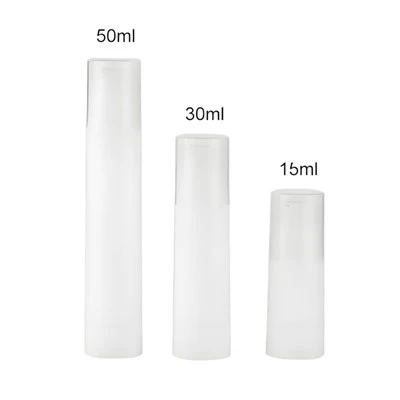
Let’s get one thing straight first: the old go-tos for packaging—basic glass jars, squeeze tubes with plain caps—are dead for a lot of brands. Shoppers today don’t just want something that holds their serum or moisturizer; they want something that feels intentional, sustainable, and actually makes their routine easier. And as a supplier, I’ve seen the demand shift fast for specific niches I didn’t see coming two years ago.
First up, direct-to-consumer (DTC) clean beauty brands focused on ultra-travel-friendly, zero-waste refills that are built for short, frequent trips. Wait, I know what you’re thinking—refills are nothing new, but these aren’t the same old plastic pouches you toss after a month. We’re talking about compact, durable, reusable aluminum or stainless steel cases that work for multiple products, and instead of flat pouches, brands are using rigid, pocket-sized refill pods that snap right into the main case. For context, one of our clients last quarter launched a line of travel serums and moisturizers, and they told me 60% of their packaging orders were for these refillable travel systems—way higher than their projections. Why this is blowing up now? Post-pandemic, people travel more, but they’re still trying to cut down on single-use plastic. A lot of standard travel sizes are just smaller versions of regular packaging, which means more waste over multiple trips, but these refill pods cut that waste by 80% per trip. Also, DTC brands live on social media, and these compact, sleek refills make for way better Instagram reels than a messy pile of tubes. The cool part for suppliers? We’re not just making a pod here and a case there—we’re engineering systems that fit exactly the viscosity of skincare, so thick moisturizers don’t gunk up the refill port, and serums dispense correctly without bubbles. It’s not just packaging; it’s a functional system, and that’s where the money is right now for us.
Next, niche skincare for men’s anti-aging and wellness routines. I know, I know—men’s skincare isn’t exactly new, but the packaging here is totally different from what it was even three years ago. Old-school men’s packaging was bulky, plain black plastic, no frills, all about “no-nonsense.” Now? Men don’t want to feel like they’re using a product designed for someone else. They want packaging that’s discreet, sleek, and fits into their existing bags or bathroom setups. But here’s the big twist: it’s not just minimalism. We’re seeing demand for packaging that includes subtle, functional tech—think tubes with built-in light dispensers for at-home facial massagers, or jars with pop-up lids that can be one-handed (super important for guys who are holding a razor or a coffee cup while getting ready). One of our newer clients is a small men’s skincare brand focused on peptide-based eye creams, and they ordered 10,000 one-handed twist jars last month. They told us their sales are 3x what they projected, just because the packaging makes the product feel like it’s designed for their target customer, not a generic “male” shopper. Also, men’s skincare brands are leaning into sustainability too—so half of the orders for these jars were for post-consumer recycled (PCR) plastic, not virgin material. The lesson here is: don’t pigeonhole “niche” skincare as only for women or Gen Z. Men’s wellness is a huge emerging market for packaging because it’s still underserved when it comes to design that’s functional for their daily routines.
Third, we’re seeing a massive uptick in packaging for sensitive, prescription-grade skincare for neurodivergent shoppers. Wait, that’s a market I never would’ve paid attention to three years ago, but it’s growing so fast I can barely keep up. Neurodivergent folks—think people with ADHD, autism, or sensory processing disorder—often struggle with skincare packaging that’s too hard to open, has loud crinkly materials, or has too many buttons or labels. Brands are starting to notice that, and they’re reaching out to us for packaging that solves those specific problems. We’ve had orders for tubes with wide, soft squeeze handles that don’t require much force to use, jars with tabs that pop open with a single light press (no twisting hard lids), and even packaging with low-glare, matte labels instead of shiny ones that can be overwhelming for someone with sensory issues. One brand we work with specializes in prescription acne skincare for teens on the autism spectrum, and they told me their packaging line has a 40% higher repeat rate than their old packaging because kids don’t get frustrated trying to open the product. As a supplier, this feels different—we’re not just making something that looks good; we’re making something that makes a real difference for people who’ve been overlooked by skincare brands for years. That’s the kind of emerging market that’s going to stick around, because it’s rooted in empathy, not just a trend.
Wait, there’s one more that I think a lot of packaging suppliers are missing: pet-friendly skincare packaging. Yeah, you read that right—pet owners are going crazy for skincare products for their dogs and cats, and the packaging needs to be totally different. Not only does it have to be safe if a pet licks it (so no harmful glues or labels), but it has to be easy for humans to use too. A lot of early pet skincare products used plain plastic bottles, but brands are now asking for packaging that’s kid-proof (but pet-safe), has large, clear labels with simple language (no fancy jargon), and even has fun, subtle designs that look good on a bathroom counter, not something that screams “pet product.” We just finished a batch of 5,000 pet sunscreen tubes last month, and the brand told me their packaging was a key part of why they sold out in 2 weeks. The big thing here is that pet skincare is part of the “human-animal bond” trend, so packaging that bridges the gap between human and pet products is a huge win. No one wants a tacky, plastic pet product sitting next to their fancy moisturizer, so brands are willing to pay a little extra for packaging that’s functional for both the user (the owner) and the pet.
Now, let’s talk about why these markets are actually emerging right now, not five years ago. It’s not just random trends; it’s tied to big shifts in how people shop. Post-pandemic, consumers are more focused on personal, meaningful products, not just generic mass-market stuff. They’re also way more vocal about accessibility and inclusivity, so brands that ignore those needs are getting left behind. As a supplier, I’ve had to adapt fast—we used to only make standard glass jars and tubes, but now we have a small team of engineers who specialize in custom packaging for these niche markets. The key here is that these are not “flash in the pan” trends; they’re rooted in real consumer needs. The travel refill market is growing because people are actually traveling more and want less waste, not because a TikTok trend made it viral (though it does get a lot of traction there). The men’s skincare packaging is growing because brands finally get that men don’t want to use women’s products, so the packaging has to match that. The neurodivergent and pet skincare markets are growing because people are starting to see that skincare should work for everyone, not just a small, narrow group of consumers.
I also want to be real with you—there’s a lot of noise in the skincare packaging space right now. A lot of suppliers are jumping on “sustainable packaging” as a buzzword, but it’s not just about using recycled plastic. It’s about making packaging that works for the product, fits the consumer’s lifestyle, and is actually accessible. For example, a lot of refill packaging is made from recycled plastic, but if the refill pod leaks and makes a mess in someone’s bag, it’s useless. That’s why we test every single one of our refill systems to make sure they’re leak-proof before we ship them. For the neurodivergent packaging, we work with sensory experts to make sure the labels are not too shiny, the lids are easy to open, and there’s no loud crinkling when you use the product. It’s not just about checking a box for sustainability or niche marketing; it’s about solving a real problem for the brand, and by extension, the consumer.
So, if you’re a skincare brand owner reading this, whether you’re just starting out or looking to refresh your packaging, these emerging markets are where the demand is right now. You don’t have to stick to the same old packaging that everyone uses. The brands that are winning right now are the ones that pay attention to the small, specific needs of their customers, and that’s exactly what these niche packaging markets are all about.

If you’re tired of generic packaging that doesn’t match your brand or your customers, feel free to reach out to us to chat through your needs. We specialize in custom solutions for travel refills, men’s wellness packaging, inclusive skincare for neurodivergent users, and pet-friendly products, and we’d love to help you build packaging that stands out for the right reasons. Don’t waste time on packaging that’s just pretty—focus on packaging that works for your customers, and that’s where the growth is.
Cosmetic Jar References:
- Global Skincare Packaging Market Report, 2024-2030, Grand View Research
- Neurodiversity in Consumer Products: Accessibility Trends for Skincare, Journal of Product & Brand Management, 2023
- Men’s Grooming Packaging Insights, NPD Group, 2024
- Zero-Waste Travel Retail Report, Sustainable Travel International, 2023
- Pet Care Packaging: Functional and Inclusive Design Trends, Packaged Facts, 2024
Shanghai Medellin Technology Co., Ltd.
As one of the most professional skincare packaging manufacturers and suppliers in China, we serve over 200 renowned cosmetic companies in Italy and France. Please rest assured to wholesale bulk high quality skincare packaging from our factory. Also, custom service is available.
Address: No. 298, Lianrong Building, Linping District, Hangzhou, Zhejiang, China
E-mail: sales@toppackaging.cn
WebSite: https://www.medellin-cn.com/
