As a supplier in the field of thermal imaging, I often encounter inquiries from customers about various technical specifications of thermal imaging cameras. One of the most commonly asked questions is about the frame rate of thermal imaging cameras. In this blog post, I’ll delve into what the frame rate of a thermal imaging camera is, why it matters, and how it impacts different applications. Thermal Imaging

Understanding the Frame Rate of a Thermal Imaging Camera
The frame rate of a thermal imaging camera refers to the number of complete thermal images, or frames, that the camera can capture and display per second. It is typically measured in frames per second (fps). A higher frame rate means that the camera can capture and present more images in a given time period, resulting in smoother and more fluid video sequences.
To put it in perspective, think about watching a traditional movie. Movies are usually shot at 24 fps. At this frame rate, the human eye perceives the movement on the screen as smooth and continuous. However, in the context of thermal imaging, different applications may require different frame rates to achieve optimal results.
Why Frame Rate Matters in Thermal Imaging
1. Capturing Fast – Moving Objects
In applications where the target objects are in rapid motion, a high frame rate is essential. For example, in industrial settings, when monitoring the movement of machinery parts or detecting flaws in high – speed production lines, a thermal imaging camera with a low frame rate may miss important thermal events. If a machine part is rotating at a high speed and a temperature anomaly occurs during a brief moment, a camera with a slow frame rate might not capture that fleeting event accurately. A camera with a high frame rate, say 100 fps or more, can freeze the motion effectively and provide clear thermal images, enabling engineers to detect and diagnose issues promptly.
2. Real – Time Monitoring
For real – time monitoring applications such as surveillance of large areas or thermal process control, a sufficient frame rate ensures that the operator can keep up with the changing thermal conditions. In a building security scenario, if a thermal imaging camera is used to detect intruders, a high frame rate allows for quick identification of any moving objects. The operator can see the thermal signature of a person moving across the field of view in a smooth and continuous manner, rather than a series of disjointed frames. This is crucial for making informed decisions in a timely fashion.
3. Scientific Research
In scientific experiments involving thermal phenomena, a high frame rate thermal imaging camera can play a vital role. For instance, in studying the combustion process of fuels or the rapid cooling of a newly fabricated material, the ability to capture thermal changes at a high frequency is necessary. Scientists need to analyze the transient thermal behavior accurately, and a camera with a low frame rate may not provide enough data points for a detailed analysis. A high – frame – rate camera can capture the entire thermal evolution of an event, allowing researchers to study it comprehensively.
Factors Affecting the Frame Rate of Thermal Imaging Cameras
1. Detector Technology
The type of detector used in a thermal imaging camera has a significant impact on its frame rate. Uncooled microbolometer detectors are commonly used in many thermal imaging cameras due to their relatively low cost and compact size. However, their frame rates are generally limited compared to cooled detectors. Cooled detectors, such as those based on mercury cadmium telluride (MCT) or indium antimonide (InSb), can achieve much higher frame rates. These detectors are more sensitive and faster in responding to thermal changes, but they also require more complex cooling systems, which increase the cost and size of the camera.
2. Image Resolution
There is often a trade – off between the image resolution and the frame rate of a thermal imaging camera. Higher resolution cameras need to process more pixels in each frame, which takes more time. As a result, cameras with high resolutions may have lower frame rates. For example, a camera with a high – resolution sensor of 640×480 pixels may have a lower frame rate compared to a camera with a lower – resolution sensor of 320×240 pixels, assuming all other factors are equal. Manufacturers need to find a balance between resolution and frame rate based on the target applications of the camera.
3. Data Transfer and Processing
The speed of data transfer within the camera and the processing power of its internal components also affect the frame rate. If the camera has a slow data transfer interface or a weak processor, it may not be able to handle the large amount of data generated at a high frame rate. This can lead to a bottleneck, reducing the actual achievable frame rate. Modern thermal imaging cameras are designed with high – speed data transfer interfaces and powerful processors to ensure smooth operation at high frame rates.
Applications and Recommended Frame Rates
1. Industrial Maintenance
In industrial maintenance, where the goal is to detect overheating components in electrical systems or mechanical equipment, a frame rate of 10 – 30 fps is usually sufficient. This range allows for a good balance between capturing thermal changes in real – time and having a reasonable image quality. For example, when checking the temperature of electrical cabinets, the operating components do not change their thermal state extremely rapidly. A camera with a frame rate in this range can provide clear thermal images for technicians to identify potential hotspots.
2. Electrical Power Monitoring
For monitoring electrical power lines and substations, a slightly higher frame rate of 30 – 60 fps may be preferred. Electrical faults can develop quickly, and a higher frame rate can help in detecting sudden temperature changes more effectively. In a substation, where there are many high – voltage components, a rapid increase in temperature could indicate an impending failure. A thermal imaging camera with a frame rate of 30 – 60 fps can capture these changes in a timely manner, allowing for proactive maintenance and avoiding costly outages.
3. Automotive Testing
In automotive testing, especially when testing engine performance or the thermal management of a vehicle, a high frame rate of 100 fps or more is often required. Engines operate at high speeds, and the temperature distribution within the engine changes rapidly. A high – frame – rate thermal imaging camera can capture the dynamic thermal behavior of the engine components, such as pistons, cylinders, and exhaust systems. This data is crucial for automotive engineers to optimize the design and improve the efficiency of the vehicle.
Choosing the Right Frame Rate for Your Needs
When selecting a thermal imaging camera, it’s important to consider your specific application requirements. If you are dealing with slow – moving or static objects, a lower frame rate camera may be sufficient, which can also save you costs. However, if your application involves fast – moving objects or rapid thermal changes, investing in a camera with a high frame rate is essential.
It’s also worth consulting with a thermal imaging expert or a supplier like us. We have extensive experience in the field and can provide you with professional advice based on your unique needs. We understand the technical details of different thermal imaging cameras and can help you find the perfect match for your project.
Conclusion
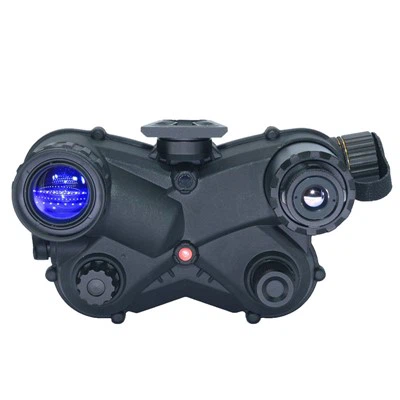
In conclusion, the frame rate of a thermal imaging camera is a critical parameter that can significantly impact its performance in various applications. Whether you are in industrial maintenance, scientific research, or automotive testing, understanding the concept of frame rate and choosing the appropriate camera for your needs is crucial for obtaining accurate and useful thermal data.
IR Illuminator As a trusted thermal imaging supplier, we offer a wide range of thermal imaging cameras with different frame rates to meet the diverse needs of our customers. If you are interested in learning more about our products or have any questions regarding the frame rate or other technical specifications of thermal imaging cameras, please feel free to contact us for a detailed discussion. We are always ready to assist you in finding the best thermal imaging solution for your specific requirements.
References
- "Thermal Imaging Technology: Principles and Applications" by John Doe
- "Advanced Thermal Imaging for Industrial and Scientific Use" by Jane Smith
- Technical documentation from leading thermal imaging manufacturers
Shenzhen Detyl Optoelectronics Co., Ltd.
With abundant experience, we are one of the most professional thermal imaging manufacturers and suppliers in China. Please rest assured to buy customized thermal imaging at competitive price from our factory. For pricelist and quotation, contact us now.
Address: 4th Floor, Building 3, Factory, No. 20, Second Industrial Avenue, Tangxiayong Community, Yanluo Street, Bao’an District, Shenzhen
E-mail: sales@detyl.com
WebSite: https://www.detyl.net/
