What are the applications of FRP process equipment in renewable energy?
As a supplier of FRP (Fiber Reinforced Plastic) process equipment, I’ve witnessed firsthand the transformative role our products play in the renewable energy sector. FRP, with its unique combination of properties, has become an indispensable material in various renewable energy applications. In this blog, I’ll explore the diverse ways in which FRP process equipment is contributing to the growth and efficiency of renewable energy sources. FRP Process Equipment

Solar Energy
Solar energy is one of the fastest – growing renewable energy sources, and FRP process equipment has a significant role to play in this field.
Solar Panel Mounting Structures
FRP is an ideal material for solar panel mounting structures. Its high strength – to – weight ratio allows for easy installation and transportation. Unlike traditional metal structures, FRP does not corrode, even in harsh environmental conditions such as coastal areas with high salt content in the air or industrial regions with high levels of pollution. This corrosion resistance ensures a long service life for the mounting structures, reducing the need for frequent replacements and maintenance.
For example, in large – scale solar farms located near the ocean, FRP mounting structures can withstand the corrosive effects of saltwater spray and high humidity for decades. This durability not only saves costs in the long run but also ensures the stability of the solar panels, maximizing their energy – generating efficiency.
Solar Thermal Systems
In solar thermal systems, FRP is used in heat collectors and storage tanks. The excellent thermal insulation properties of FRP help to minimize heat loss in the heat collectors, enhancing the overall efficiency of the system. FRP storage tanks can safely hold hot water or heat – transfer fluids at high temperatures without the risk of corrosion or leakage.
Moreover, FRP’s non – metallic nature makes it an electrically non – conductive material, which is a significant advantage in solar thermal systems where electrical safety is crucial. This property reduces the risk of electrical short – circuits and other safety hazards, providing a reliable solution for storing and transferring thermal energy.
Wind Energy
Wind energy is another major player in the renewable energy landscape, and FRP process equipment is widely used in this sector.
Wind Turbine Blades
FRP is the primary material for manufacturing wind turbine blades. The high strength and flexibility of FRP allow for the design and construction of large – scale, aerodynamically efficient blades. The lightweight nature of FRP reduces the overall weight of the turbine, which in turn reduces the load on the tower and the foundation, and improves the overall efficiency of the wind turbine.
The ability to mold FRP into complex shapes enables the creation of blades with optimized airfoil designs, which can capture more wind energy. Additionally, FRP’s resistance to fatigue and environmental degradation ensures that the blades can withstand the continuous stress and harsh weather conditions over their long service life.
Enclosures and Housings
FRP is also used to manufacture enclosures and housings for wind turbine components such as generators, gearboxes, and control systems. These enclosures protect the sensitive components from environmental factors such as dust, moisture, and UV radiation. The corrosion – resistant property of FRP is especially important in offshore wind farms, where the equipment is exposed to a harsh marine environment.
The ease of fabrication of FRP allows for the production of customized enclosures that can meet the specific requirements of different wind turbine designs. The non – metallic nature of FRP also provides electromagnetic shielding, which helps to prevent interference with the electronic components in the wind turbine.
Hydro Energy
Hydro energy, whether from large – scale dams or small – scale run – of – river projects, also benefits from the use of FRP process equipment.
Water Intake Structures
In hydroelectric power plants, FRP can be used to construct water intake structures. The corrosion resistance of FRP is crucial in these applications, as the intake structures are constantly in contact with water, which may contain various chemicals and abrasive particles. FRP intake structures can withstand the erosive effects of flowing water and the corrosive effects of waterborne substances, ensuring a long – term and reliable water supply to the power plant.
The smooth interior surface of FRP pipes and channels used in water intake systems reduces friction, which improves the efficiency of water flow. This results in less energy loss during the water intake process and a more efficient operation of the hydroelectric power plant.
Fish Ladders and Bypass Systems
To mitigate the environmental impact of hydroelectric dams on fish populations, fish ladders and bypass systems are often installed. FRP is an excellent material for these structures due to its smooth surface, which allows fish to swim through easily. The corrosion resistance of FRP ensures that the fish ladders and bypass systems can operate effectively in the aquatic environment without deteriorating over time.
Biomass Energy
Biomass energy involves the conversion of organic matter into energy, and FRP process equipment is used in several aspects of this process.
Biomass Storage Tanks
FRP storage tanks are widely used to store biomass fuels such as wood chips, pellets, and biogas. The corrosion – resistant property of FRP is essential as biomass fuels may contain acidic or alkaline substances that can corrode traditional metal storage tanks. FRP tanks can prevent leakage and contamination of the stored biomass, ensuring the quality and safety of the fuel.
The lightweight nature of FRP makes it easier to install and relocate the storage tanks as needed. Additionally, FRP tanks can be designed with insulation to maintain the temperature of the stored biomass, which is important for the efficient combustion or fermentation of the fuel.
Biogas Digester Components
In biogas production systems, FRP is used to manufacture components such as digester tanks and gas collection covers. The excellent chemical resistance of FRP allows it to withstand the harsh chemical environment inside the digester, where organic matter is broken down to produce biogas. FRP digester tanks are leak – proof and can provide a suitable anaerobic environment for the fermentation process.
The durability of FRP ensures that the biogas digester components can operate continuously for a long time, providing a reliable source of renewable energy from biomass.
The Advantages of Choosing Our FRP Process Equipment
At our company, we offer a wide range of FRP process equipment tailored to the specific needs of the renewable energy sector. Our products are manufactured using high – quality materials and advanced manufacturing techniques, ensuring the highest level of quality and performance.
We have a team of experienced engineers and technicians who can provide customized solutions for different renewable energy projects. Whether you need a small – scale solar panel mounting structure or a large – scale FRP storage tank for a biomass power plant, we can design and manufacture the equipment to meet your exact specifications.
Our commitment to quality is reflected in our strict quality control measures. Every piece of equipment is thoroughly tested before leaving our factory to ensure that it meets or exceeds industry standards. We also provide excellent after – sales service, including installation guidance, maintenance support, and product replacement when necessary.
Conclusion
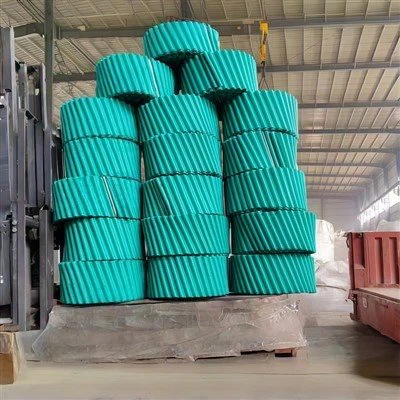
In conclusion, FRP process equipment plays a vital role in the renewable energy sector. Its unique properties such as high strength – to – weight ratio, corrosion resistance, thermal insulation, and ease of fabrication make it an ideal material for various applications in solar, wind, hydro, and biomass energy.
FRP Environmental Equipment As a leading supplier of FRP process equipment, we are dedicated to providing high – quality products and excellent services to our customers in the renewable energy industry. If you are involved in a renewable energy project and are looking for reliable FRP process equipment, we would be more than happy to discuss your requirements and provide you with a customized solution. Please feel free to contact us to start a procurement discussion and take your renewable energy project to the next level.
References
- "Fiber Reinforced Plastics in Renewable Energy Applications" by John Smith, published in Renewable Energy Journal, 2020.
- "Advances in FRP Technology for Wind Turbines" by Jane Doe, presented at the International Wind Energy Conference, 2021.
- "The Use of FRP in Solar Thermal Systems: A Review" by Tom Brown, in Solar Energy Research Magazine, 2019.
Hebei Weihan Environmental Protection Equipment Co., Ltd.
We’re well-known as one of the leading FRP process equipment manufacturers and suppliers in China, featured by quality products and good service. Please rest assured to buy customized FRP process equipment at competitive price from our factory. Contact us for more details.
Address: No. 666 Chuangye Road, Zaoqiang County, Hengshui City, Hebei Province
E-mail: weihanmachine@gmail.com
WebSite: https://www.whanfrp.com/
